Salt, chemically known as sodium chloride, makes our food tasty and essential for physiological processes within our body. Historically, salt has held a high value across civilizations and religions. In fact, the word salary is derived from Latin word “sal” means salt, as salt was used as currency in different parts of the ancient world in trades.
Although salt is essential in maintaining cellular and physiological functions, excess salt, however, is often considered bad for health and often linked to hypertension and cardiovascular diseases. Additionally, excess dietary salt was found to be associated with tissue inflammation in autoimmune conditions mediated via an exaggerated immune response. Studies indicated that immune cells, within the tumour microenvironment, were found to be inactivated allowing tumour cells to grow and multiply unchecked. Since salt was found to activate immune response in inflammatory diseases, high salt diet may be effective in reactivating anti-tumour immune cells, which otherwise remain inactivated, a team of researchers of Immunobiology laboratory hypothesized at Translational Health Science and Technology (THSTI), Faridabad.
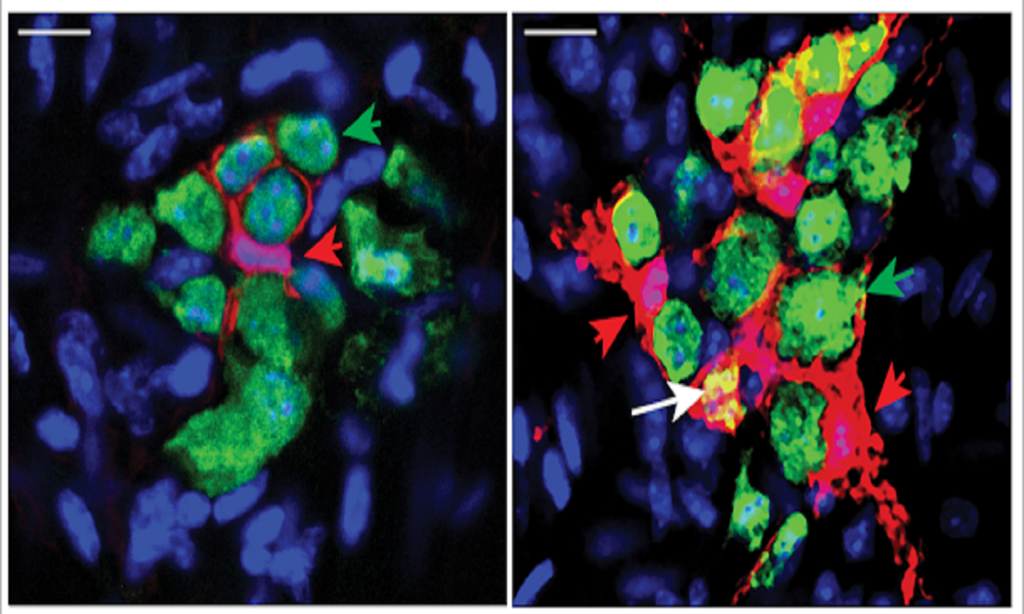
The research paper entitled “High salt diet mediates interplay between NK cells and gut microbiota to induce potent tumour immunity” shows that high salt diet restrict tumour growth by modulating gut microbiome dependent NK cell activation. The study conducted in mice model by Dr. Zaigham Abbas Rizvi, lead author of the paper, shown that animal fed with high salt diet, as compared to normal diet, profoundly decreases melanoma, lung carcinoma, breast cancer and metastatic cancer. At cellular level, mice fed with high salt diet were found to have an increased function and numbers of NK cells within tumour. “An increase in NK cells function induced by salt is an extraordinary discovery, since NK cells are one of the major immune cells that kill cancer cells directly and restrict tumour growth, reports Dr. Awasthi, “What is even more remarkable that high salt diet increases gut permeability and the abundance of Bifidobacterium within the gut of the mice that were kept on high salt diet. Detailed analysis indicated that Bifidobacterium able to translocated from gut to the tumour site where it further activated NK cell-mediated killing of cancer cells.
Mechanistically, Awasthi’s team showed that a high-salt diet was able to reduce the surface expression of PD-1, an immunosuppressive protein, on tumour infiltrating NK cells. What is even more interesting that a combination of low-salt diet with a suboptimal dose of anti-PD1, an approved immunotherapy regime, significantly restricted tumour growth. This, Awasthi points out, could lead to a significant reduction in an effective dose of otherwise immensely expensive immunotherapy. This will allow immune checkpoint therapy more accessible for cancer patients in developing countries.
Given its importance, it can be said that salt not only adds flavour to the food but also (unknowingly) regulates the immune response. “Our discovery provides the evidence that an intricate ionic balance may be critical in modulating immune responses in immunity and autoimmunity, says Dr. Awasthi. Given that salt promotes tissue inflammation in autoimmune diseases, its role in eliciting anti-tumor immune response holds French proverb “what is good for one is bad for another” unquestionably true for the salt story.
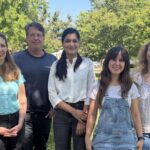
The research group included Zaigham A. Rizvi, Rajdeep Dalal, Srikanth Sadhu, Yashwant Kumar, Shakti Kumar, Sonu K. Gupta, Manas R. Tripathy, Deepak K. Rathore and Amit Awasthi from Translational Health Science and Technology (THSTI), Faridabad.
This science blog was written by Amit Awasthi and Zaigham A. Rizvi.




Since high salt diet activates immune cells, as shown in case of autoimmune disease settings, therefore, we tested whether salt can activate anti-tumour immune cells within immune-suppressive tumour microenvironment, says Dr. Awasthi.