A protein that helps skeletal muscles contract also plays a critical role in regulating blood sugar levels, according to a new study that uncovers an unexpected link between muscle function and metabolic health. Researchers at the Regional Centre for Biotechnology (RCB), Faridabad, found that mice lacking a muscle protein called myosin heavy chain-slow (MyHC-slow) developed impaired blood sugar control and diabetes-like symptoms. The defects were largely reversed using sulforaphane, a naturally occurring compound found in vegetables such as broccoli.
The findings provide a possible molecular explanation for the long-recognised association between physical inactivity, muscle deterioration and type 2 diabetes. They also identify the NRF2 pathway, the body’s key cellular antioxidant defence system, as a potential therapeutic target for metabolic disorders.
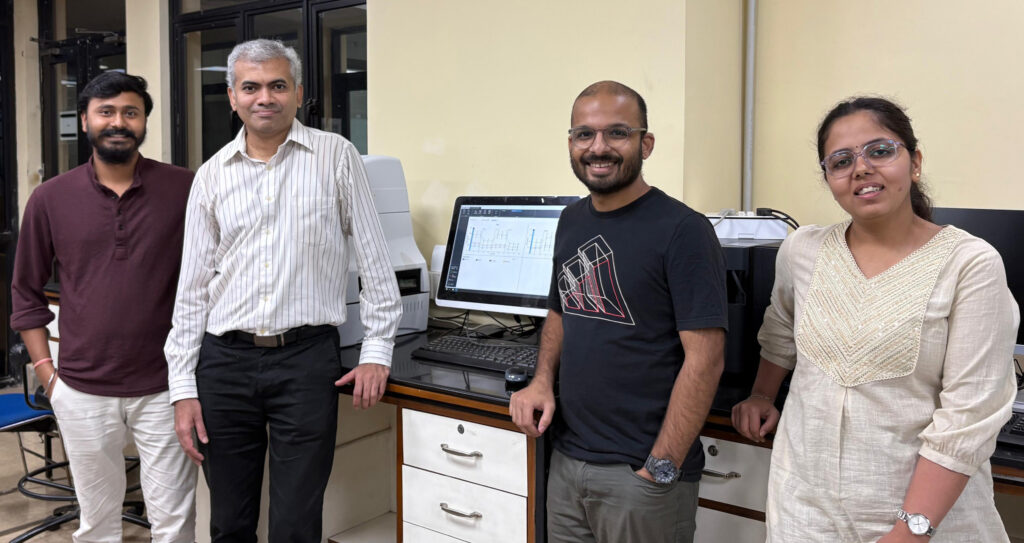
“Diabetes has become a massive global health problem, and physical inactivity plays a major role in its development,” said Dr. Sam J. Mathew, Professor at the Regional Centre for Biotechnology (RCB), Faridabad, and senior author of the study. “We wanted to understand how changes in skeletal muscle contribute to metabolic diseases and whether a specific muscle protein could influence whole-body glucose regulation.”
Skeletal muscle is one of the body’s largest sites for glucose utilisation and plays a central role in maintaining blood sugar balance. MyHC-slow is found in muscles used for activities such as standing, walking and endurance exercise, and helps muscles contract. Although these fibres are known to be metabolically important, the role of MyHC-slow in regulating whole-body metabolism had remained unclear.
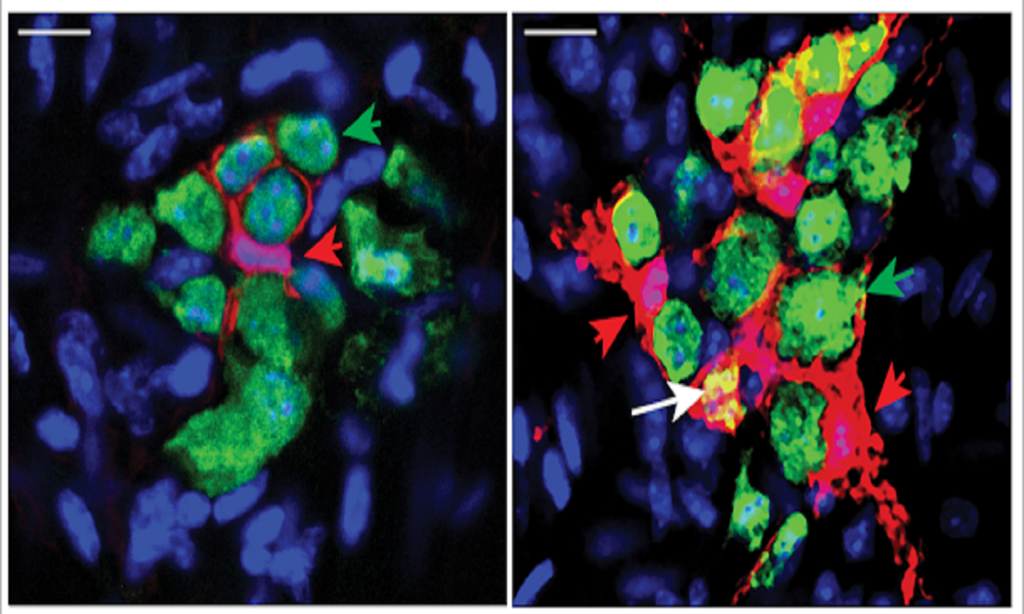
To investigate this, the researchers generated mice in which MyHC-slow was selectively removed from skeletal muscle. The animals initially showed an unexpected increase in muscle size after birth, but this temporary adaptation was followed by progressive muscle degeneration, reduced force generation and metabolic abnormalities.
Further experiments showed that without MyHC-slow, muscle cells struggled to produce energy efficiently because their mitochondria were not functioning properly. As mitochondrial performance declined, harmful reactive oxygen species (ROS), commonly known as free radicals, accumulated inside muscle cells.
The researchers found that NRF2, which normally helps protect cells from oxidative stress, became much less active. This disrupted the body’s response to insulin and reduced levels of GLUT4, a protein that helps muscle cells take up sugar from the blood. The combined effect was systemic insulin resistance, a hallmark of type 2 diabetes.
“Deleting a single structural muscle protein could profoundly downregulate NRF2 signalling,” Dr. Mathew said. “This revealed an unexpected molecular bridge between muscle contractility and metabolic regulation.”
Importantly, treatment with sulforaphane, a natural NRF2 activator found in cruciferous vegetables such as broccoli, successfully reversed many of the defects observed in the mice. The treatment reduced oxidative stress, restored mitochondrial function and improved glucose regulation.
The study suggests that keeping your muscles healthy helps your body control blood sugar better. Since muscle loss and inactivity are common as people age, get sick, or live a sedentary lifestyle, staying physically active can help lower the risk of problems like diabetes and other metabolic diseases.
However, the findings have so far been observed only in animals and need to be confirmed in humans. Researchers now plan to study muscle samples from people with diabetes and age-related muscle loss, while also exploring new treatments and how muscle health affects blood sugar regulation.
“Our findings show that maintaining muscle health is not simply important for movement,” Dr. Mathew said. “It is fundamental to the body’s ability to regulate glucose and maintain metabolic health.”
The study, published in the journal Science Advances, was conducted by Jaydeep Sharma, Somnath Mondal, Aparna Rai, Mahima Kumari, Anushree Bharadwaj and Sam J. Mathew of RCB, Faridabad.