Cancer cells are smart and the emergence of resistance in cancer cells towards existing anticancer drugs makes the situation even more critical. Ideally, anticancer drugs should specifically target cancer cells, sparing normal cells but, unfortunately, most of the available anticancer drugs display severe side effects. To reduce or eliminate these adverse effects, there is a pressing need to increase the drug arsenal to control this deadly disease.
Researchers are now turning toward naturally occurring proteins known as antimicrobial peptides (AMPs) like Bacteriocin (a protein produced by bacteria of one strain and active against those of a closely related strain), which can kill not only microbes but have another therapeutic potential as well.
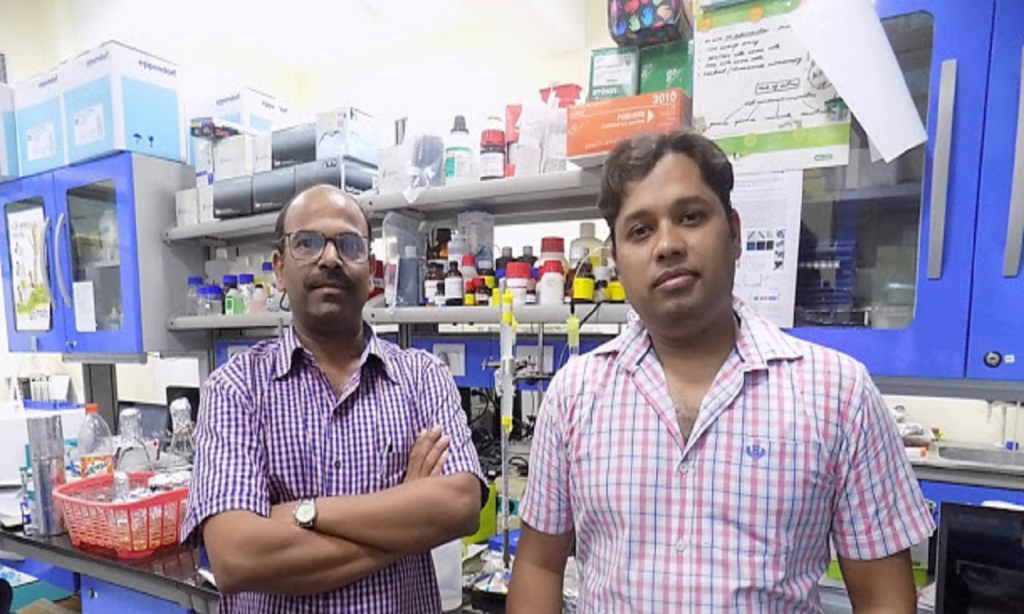
Indian scientists from CSIR- Institute of Microbial Technology (IMTECH), Chandigarh, including the team of Dr. Suresh Korpole, a corresponding author of this paper, and Dr. Gajendra P.S. Raghava, Head of the Bioinformatics Centre, have reported bacteriocin laterosporulin-10 (LS-10) showing the potential of targeted killing of cancer cells.
This work was carried out in the facility of “Microbial Type Culture Collection and Gene Bank (MTCC),” at IMTECH. The study was published in the Journal “Scientific Reports”.
In the previous study, Dr. Korpole’s team had reported that LS-10 is capable of killing Mycobacterium tuberculosis (Mtb H37Rv strain) residing in the phagosomes of murine macrophages. In the present study, they have made an attempt to explore the anticancer potential of LS-10.
“This finding is exciting because LS-10 not only specifically kills human pathogen Mtb H37Rv but it also has anticancer potential,” says Dr. Piyush Baindara, first author of this paper.
Previous studies have shown that most of the AMPs have anticancer activities, however, they could not move forward in drug development pipeline because of their high hemolytic nature. However, this new study revealed that LS-10 has low cytotoxicity against normal cells and erythrocytes.
If these peptides are optimized for remedial use, the scientists envision that they could be used against many pathogenic bacteria as well as for treatment of dreaded diseases like cancer.
“We have demonstrated that peptide-like LS-10 can be used as potential anticancer molecules, though it’s very preliminary findings. Further studies are required particularly in vivo study on mice models to demonstrate the full potential of LS-10 as an anticancer molecule,” said the Investigators.