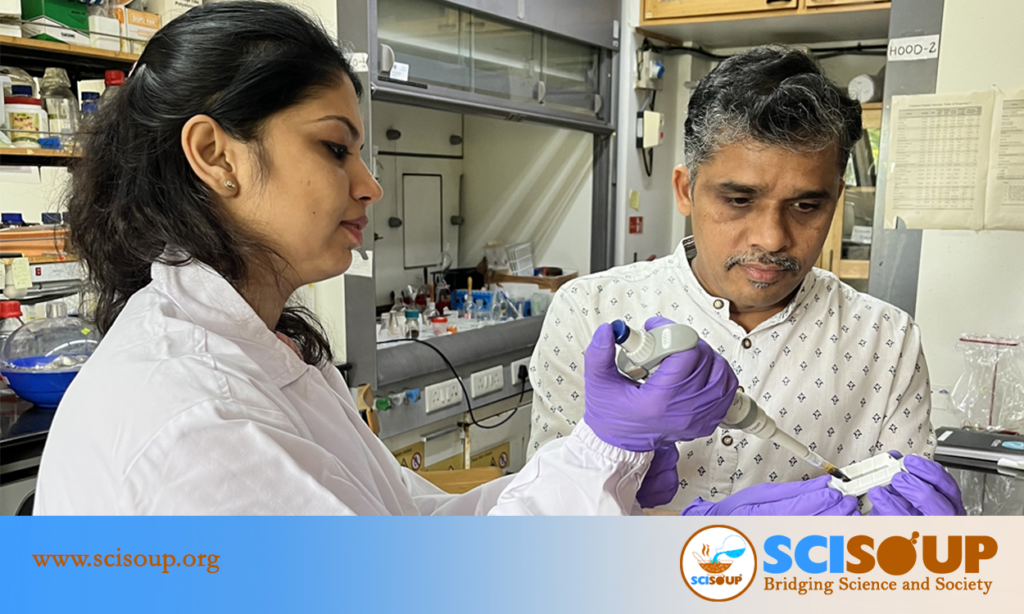
In the SciSoup interview series “Unfolding Science With SciSoup”, the authors explain the key findings of their research work, significance and benefits of their new results for public and scientific community.
What inspired you for this study?
One side inadequate supply and ever-increasing demand for blood, on the other hand, millions of units of blood has been discarded annually due to decline in its quality during storage. Specifically, this problem is enhanced for rare blood groups. Blood transfusion is a life-saving intervention, having the scarcity of good quality blood is an inspiration to develop innovative technology to enhance the quality and shelf life of stored blood.
What is the main finding from your research?
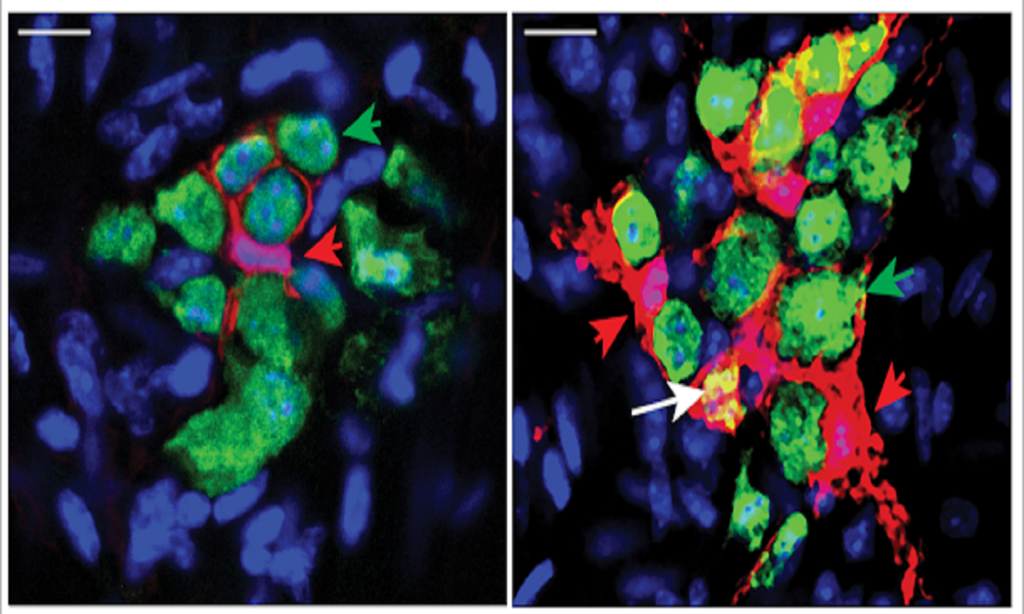
We have systematically shown that how extracellular components known as damage-associated molecular patterns (DAMPs) released during the storage can damage the blood cells to decrease their quality, which limits their transfusion efficiency. For the first time in the field, we have demonstrated that by efficiently scavenging extracellular components can prevent the damage of stored blood cells, and enhance their quality and shelf life.
How would you explain your research findings and its significance?
Typically, maximum allowed stored time for human blood is 42 days. After that it will be discarded. Although, maximum allowed time is 42 days, generally blood transfusion is done before 21 days. Because after 21 days, DAMPs production is increased significantly which accelerate the damage of blood cells. Therefore, we have demonstrated that scavenging of DAMPs using specifically designed nanofibrous sheets on day 21 or 28, completely prevents the further damage of blood cells. Therefore, it enhances quality and shelf life of stored blood.
How will this research be useful to the public or Scientific Community?
If this technology comes to the market and adopted by blood banks and hospitals, blood transfusions will be more safer and efficient. The public will be able receive much safer blood transfusions.
Through our research we have delineated the role of DAMPs in damaging storage blood. We have demonstrated that intermittent scavenging of DAMPs can enhance the quality of stored blood. Therefore, based on this conceptual novel approach, we anticipate that scientific community may able to generate multiple approaches to prevent the damage of stored blood.
Would you like to share any Eureka moment of this research?
In animal model experiments, when we observed that due to our technology, maximum days stored old blood quality was as good as freshly collected blood was truly amazing moment.